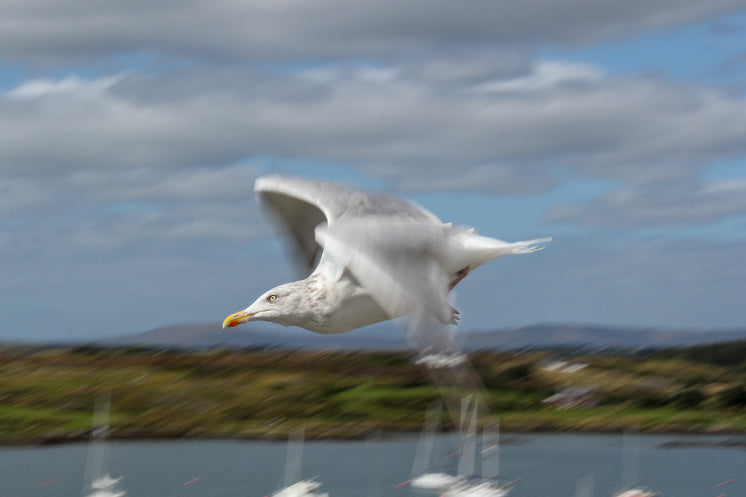
The phenomenon of flight has captivated humanity for centuries, inspiring legends, myths, and scientific inquiry. The mechanics of flight, particularly in the context of aviation and aerodynamics, are governed by the fundamental principles of physics. This report explores the physics-based mechanics of flight legends, examining the forces at play, the historical development of flight technology, and the impact of flight on society and culture.
The Four Forces of Flight
At the heart of flight mechanics are four fundamental forces: lift, weight, thrust, and drag. Understanding these forces is crucial for comprehending how aircraft and other flying entities achieve and maintain flight.
- Lift: Lift is the upward force that counteracts the weight of the aircraft. It is generated primarily by the wings and is influenced by the shape of the wing (airfoil), the angle of attack, and the speed of the aircraft. According to Bernoulli’s principle, as the speed of air over the wing increases, the pressure decreases, creating lift. The angle of attack, or the angle between the chord line of the wing and the oncoming air, also plays a critical role in lift generation. However, if the angle of attack becomes too steep, it can lead to a stall, causing a sudden loss of lift.
- Weight: Weight is the force exerted by gravity on the aircraft. It acts downward and is a function of the mass of the aircraft and the acceleration due to gravity. To achieve flight, the lift must exceed the weight of the aircraft. The distribution of weight within the aircraft also affects its stability and control during flight.
- Thrust: Thrust is the forward force that propels the aircraft through the air. It is generated by engines, whether jet engines or propellers. The amount of thrust required depends on the weight of the aircraft and the desired speed. For an aircraft to take off, the thrust must be sufficient to overcome drag and accelerate the aircraft to the necessary speed for lift-off.
- Drag: Drag is the resistance force that opposes the aircraft’s motion through the air. It is caused by the friction of air molecules against the surface of the aircraft. There are two main types of drag: parasitic drag, which includes form drag and skin friction, and induced drag, which is a byproduct of lift generation. Minimizing drag is essential for improving fuel efficiency and overall performance.
Historical Development of Flight Technology
The quest for human flight dates back to ancient civilizations, with various legends recounting attempts to soar through the skies. The myth of Icarus, who flew too close to the sun with wings made of feathers and wax, illustrates the dangers of hubris in the pursuit of flight. However, it was not until the late 19th and early 20th centuries that significant advancements in flight mechanics emerged.
The Wright brothers, Orville and Wilbur, are credited with achieving the first powered flight in 1903. Their success was rooted in a deep understanding of the physics of flight, particularly the interplay between lift, weight, thrust, and drag. They meticulously tested different wing designs and developed a wind tunnel to study airflow, which ultimately led to their successful invention of the Wright Flyer.
Following the Wright brothers, aviation technology rapidly evolved. The introduction of more powerful engines, advancements in materials, and improved aerodynamic designs allowed for the development of faster and more efficient aircraft. World War I and World War II spurred further innovations, leading to the creation of fighter planes, bombers, and eventually commercial airliners.
The Impact of Flight on Society and Culture
The mechanics of flight have not only transformed transportation but have also had profound effects on society and culture. The ability to fly has shrunk the world, enabling global connectivity and fostering international trade and tourism. The advent of commercial aviation has made long-distance travel accessible to millions, changing the way people experience the world.
Flight has also influenced art, literature, and popular culture. The romanticism of flight is evident in works such as Antoine de Saint-Exupéry’s “Night Flight” and the film “The Aviator,” which chronicles the life of aviation pioneer Howard Hughes. The allure of flight is encapsulated in the dreams of soaring through the skies, symbolizing freedom and adventure.
Moreover, flight mechanics have inspired innovations beyond aviation. The principles of aerodynamics have been applied to various fields, including automotive design, sports equipment, and even architecture. The study of flight has led to advancements in engineering, materials science, and environmental sustainability as researchers seek to create more efficient and eco-friendly aircraft.
The Future of Flight Mechanics
As we look to the future, the mechanics of flight continue to evolve. The development of electric and hybrid aircraft aims to reduce the environmental impact of aviation, while advances in autonomous flight technology are reshaping the way we think about piloting and air traffic management. The exploration of supersonic and hypersonic flight presents new challenges and opportunities in aerodynamics and propulsion systems.
The integration of artificial intelligence and machine learning into flight systems promises to enhance safety and efficiency, allowing for more precise control and navigation. Additionally, the concept of urban air mobility, with the rise of drones and flying taxis, is set to revolutionize transportation within cities.
Conclusion
The physics-based mechanics of flight legends encompass a rich tapestry of scientific principles, historical milestones, and cultural significance. From the foundational forces of lift, weight, thrust, and drag to the transformative impact of aviation on society, the study of flight mechanics reveals the intricate relationship between humanity and the skies. As we continue to innovate and explore the possibilities of flight, the legends of the past serve as a reminder of our enduring fascination with the art of soaring through the air.